About us
Founded in 1757. Still Family. Still Handcrafted.

The Birth of a Timeless Craft.
In 1757, when candlelight shaped rituals, devotion and noble gatherings, the Perger family began crafting what today stands among the world’s most luxurious candles.
What began as a modest family workshop evolved into a lineage carried forward across generations.
The knowledge shaped by our ancestors, from refining beeswax to finishing each piece by hand, remains preserved and unchanged to this day.
A Craft Guided by Family Values.
Family is our circle of strength. It guides how we create, how we honour tradition, and how we safeguard the inherited recipes and techniques entrusted to us.
Every member of our team knows and upholds the seven family values that define our work. They are not displayed as statements, but lived in practice and carried by heart in every decision we make.
True Artistry Has Its Own Rhythm.
Each candle is created in strictly limited quantities from exceptional beeswax of the renowned Slovenian honey bee, Apis mellifera carnica. Our work does not follow the logic of industrial moulds or mass production. Only time, skilled hands, and the finest natural ingredients shaped through true craftsmanship.
Some creations may not always be available. True artistry follows its own rhythm and cannot be hurried or replicated.
Through The Centuries.
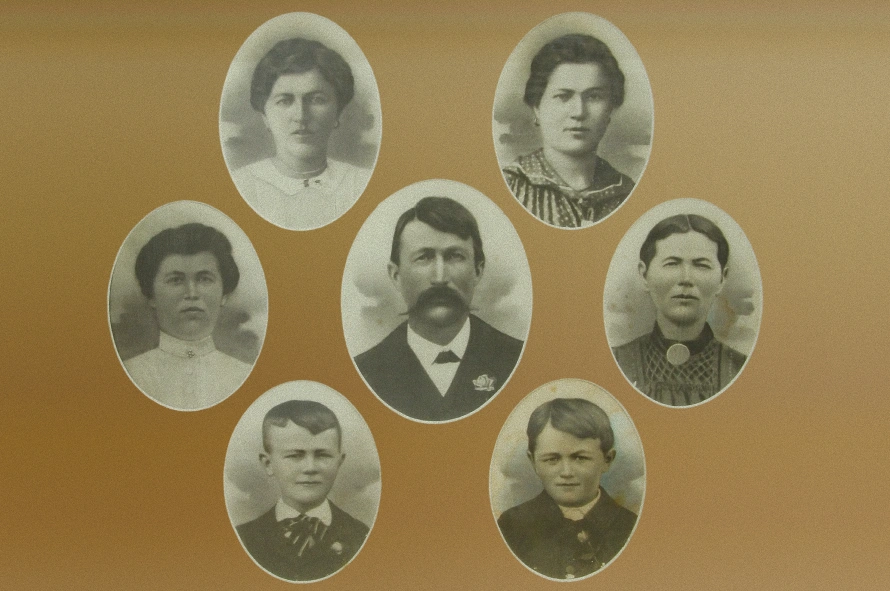
1757
The Beginning of a Lineage
In Styria, within the Habsburg Monarchy, a small artisan candle workshop was founded by a Perger forebear, remembered in family tradition as Johann, and devoted to the craft of candle making.
1808
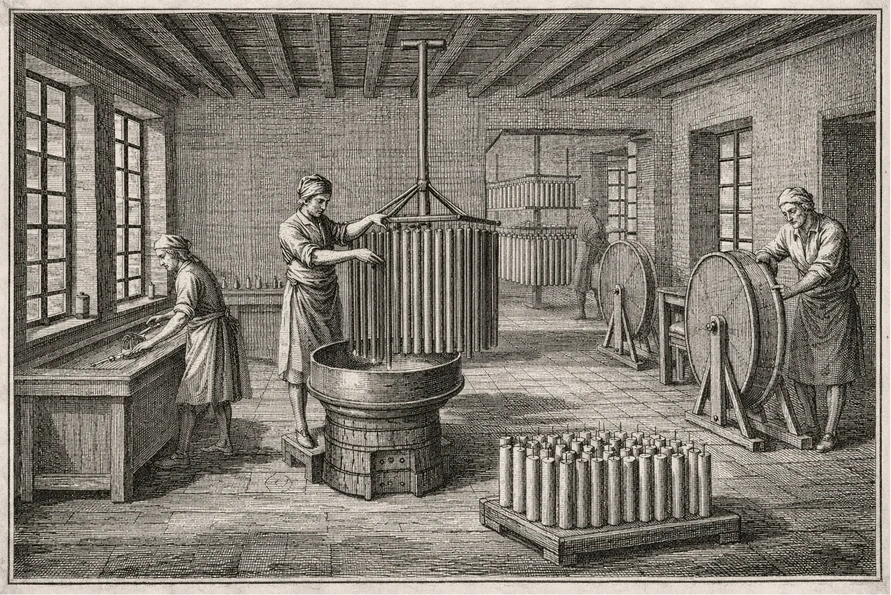
Napoleonic wars
Amid the instability of war, when established patronage faltered, the Perger workshop responded by producing tallow candles for military use, safeguarding its craft through resilience and adaptation.
1880
Expansion
In a period of expansion, the Perger house established a new workshop near the city of Maribor, where the craft of candle making continued alongside the creation of the honey confections that would become known as the Perger gingerbread.
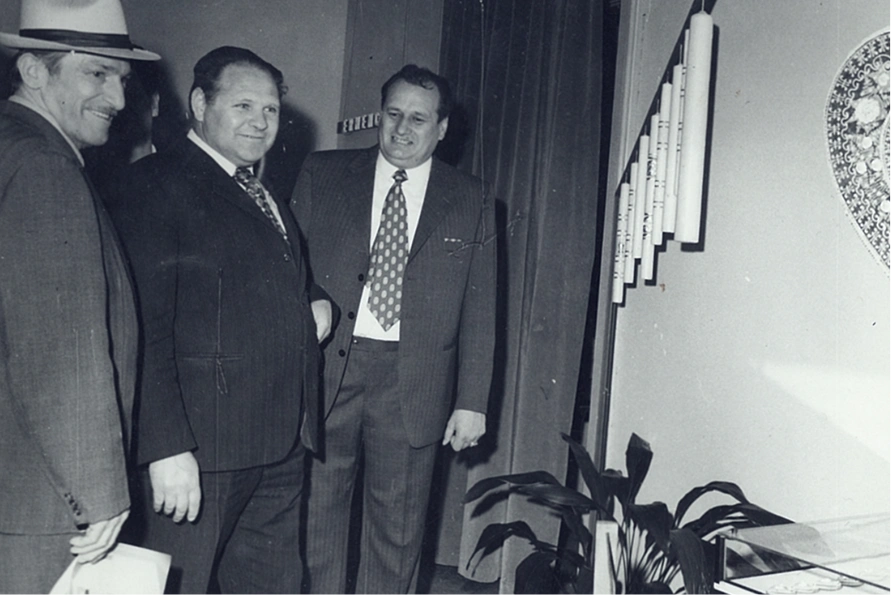
1890
Recognised Among the Cultural Elite
With the support of Karol Glaser, a distinguished Slovenian literary historian, philologist and scholar, the Perger name gained cultural prominence.
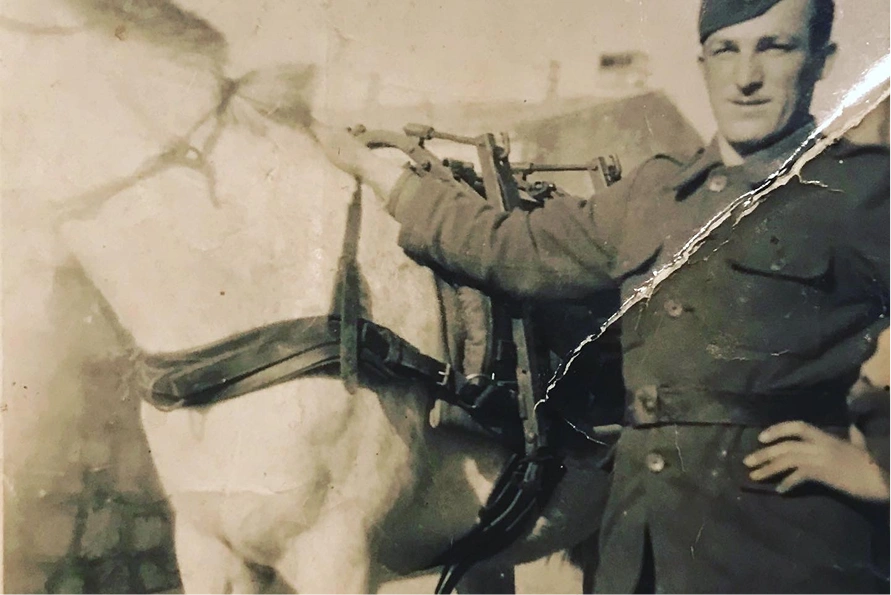
1941–1945
World War II
The Second World War marked the sole interruption in the long history of the Perger house. As Ljuba and Rudi Perger, successors of the craft, were called to serve, the occupying forces destroyed the workshops, leaving the tradition momentarily silenced.
Post-1945
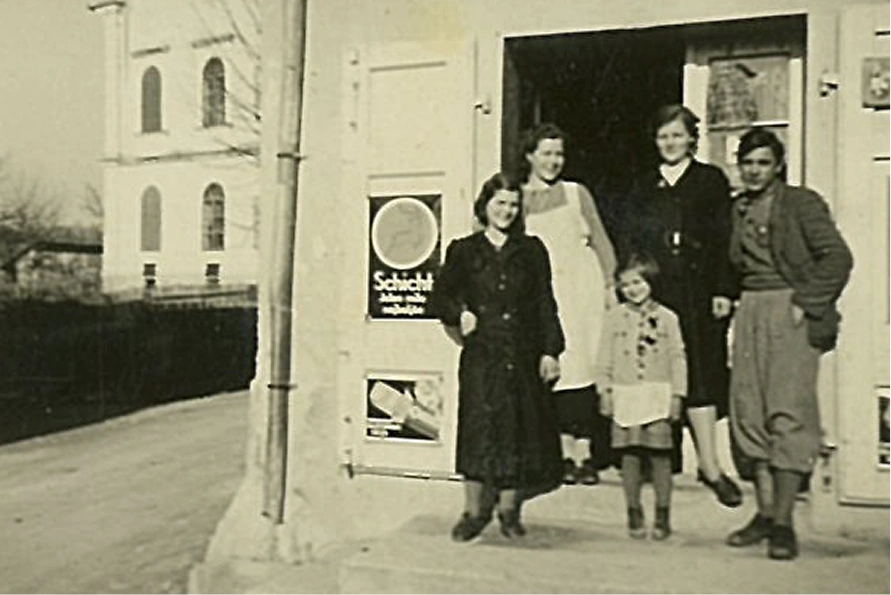
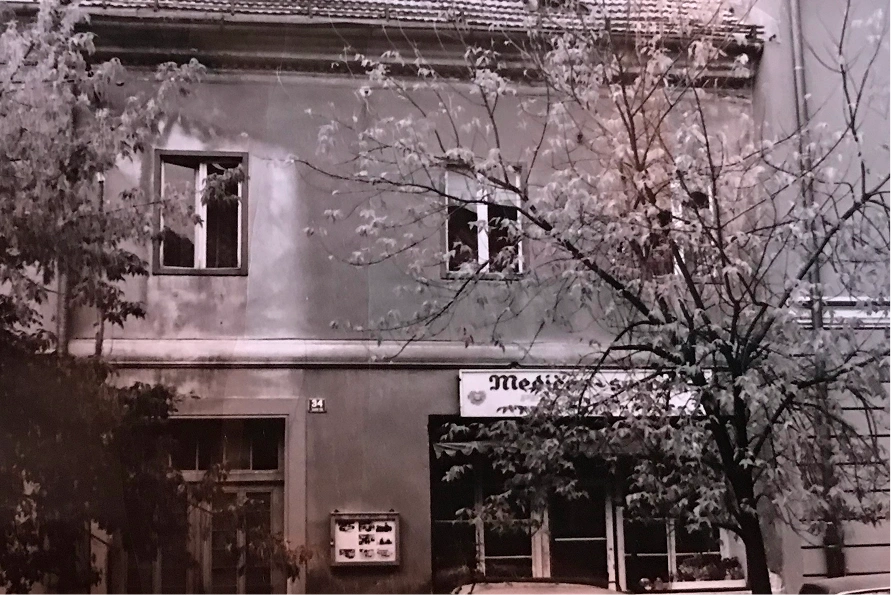
A new beginning
After the end of the Second World War, the Perger couple chose renewal over resignation. Leaving Styria behind, they settled in Carinthia and acquired a house in the centre of Slovenj Gradec, where the Perger flagship store stands today, marking the rebirth of the family craft.
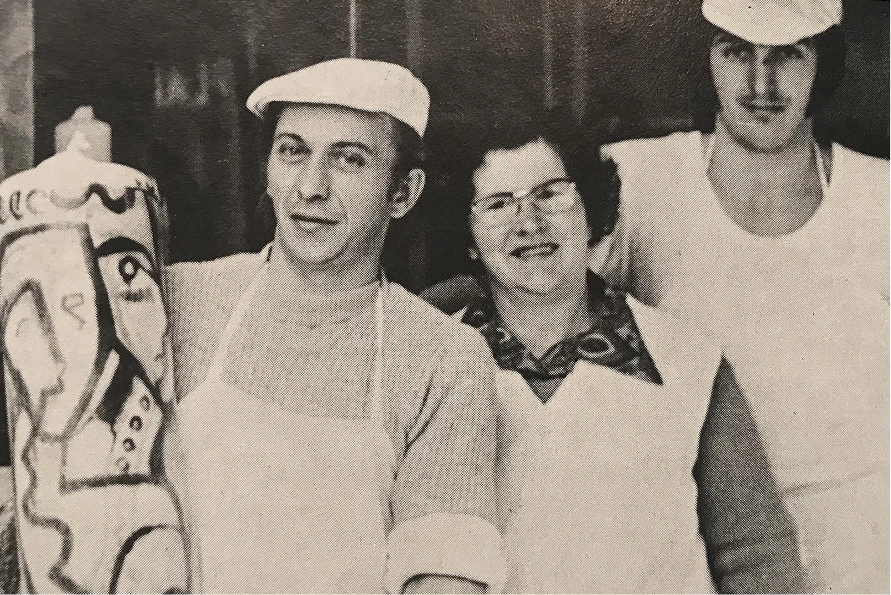
1973
Artistic Collaboration and International Expansion
The first post-war export marked a defining chapter. Collaborations with renowned artists led to the reintroduction of Perger creations to Vienna.
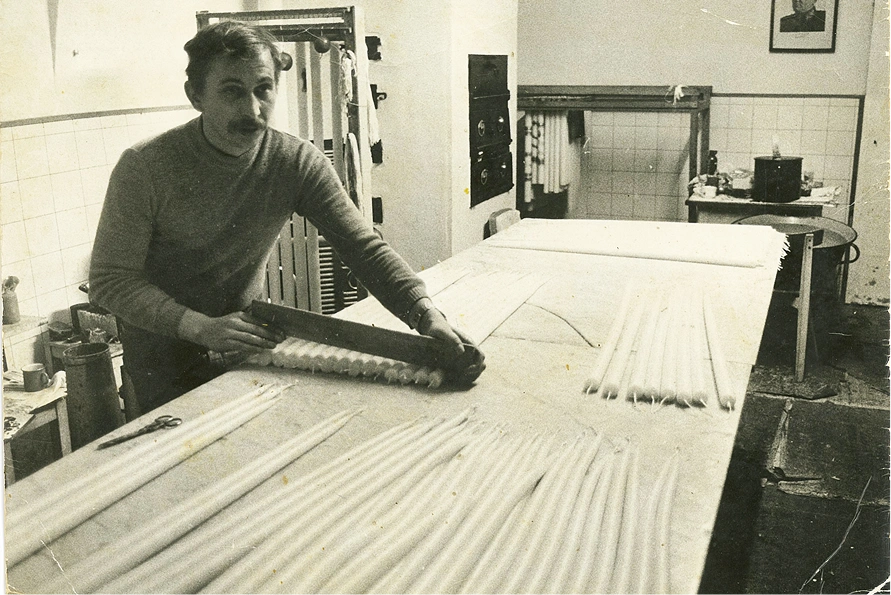
1995
Principle Over Profit
In a decisive act of principle, the Perger family abandoned a profitable line of plastic grave candles, choosing environmental responsibility over convenience. From then on, only natural beeswax defined our craft — a commitment that endures to this day.
2021
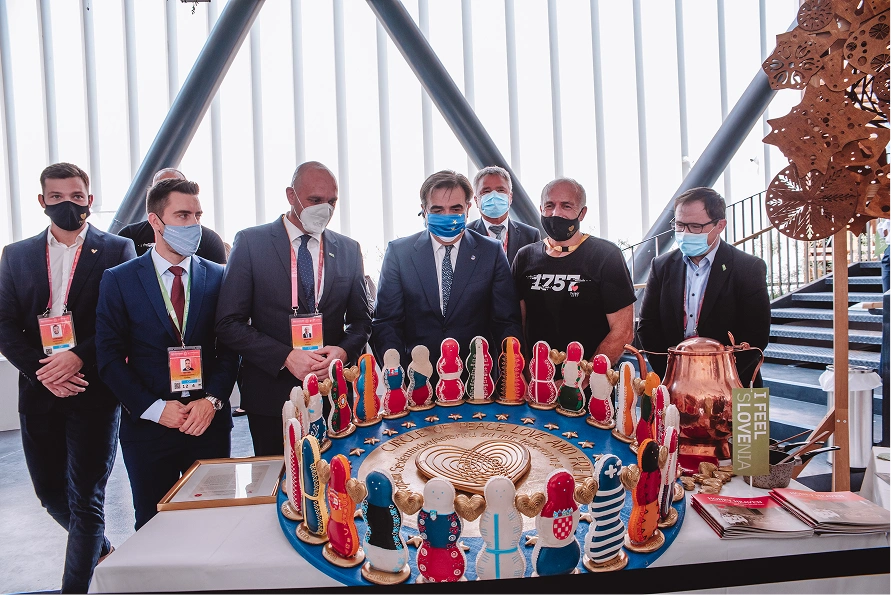
Selected to Represent Slovenia at Expo 2020
At Expo 2020 Dubai, the Perger house was invited by the Government of Slovenia to present its centuries-old craft on a global stage, uniting heritage with contemporary presence.
1995–2026
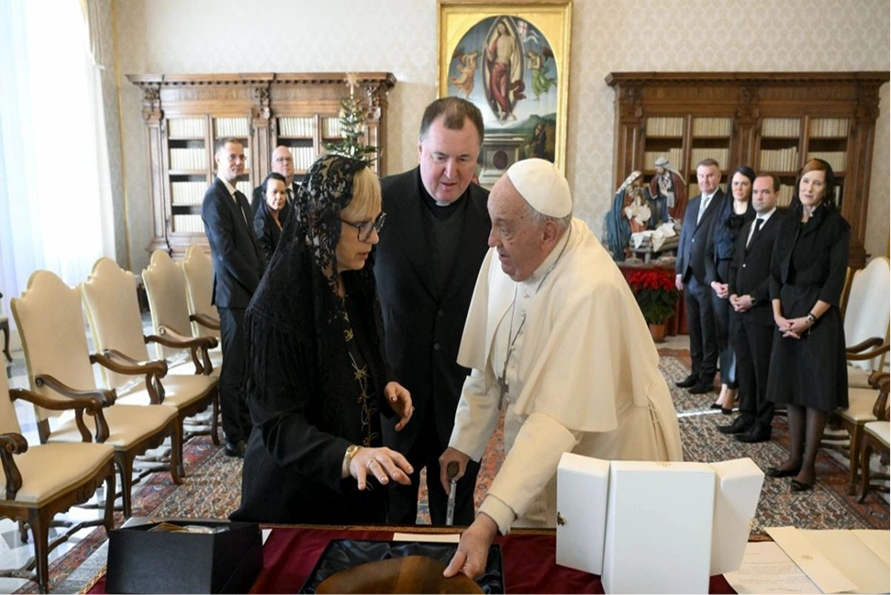
From the Vatican to the White House
Perger creations reached distinguished figures who shaped cultural and public life, including Pope John Paul II, Pope Francis and Luciano Pavarotti. A candle was selected as a wedding gift for a President of the United States.
From the Vatican to the White House and Buckingham Palace, Perger candles found a quiet presence in places of historic significance.
Photo: Vatican Media
Through the Centuries.
1757
The Beginning of a Lineage
In Styria, within the Habsburg Monarchy, a small artisan candle workshop was founded by a Perger forebear, remembered in family tradition as Johann, and devoted to the craft of candle making.
1808
Napoleonic wars
Amid the instability of war, when established patronage faltered, the Perger workshop responded by producing tallow candles for military use, safeguarding its craft through resilience and adaptation.
1880
Expansion
In a period of expansion, the Perger house established a new workshop near the city of Maribor, where the craft of candle making continued alongside the creation of the honey confections that would become known as the Perger gingerbread.
1890
Recognised Among the Cultural Elite
With the support of Karol Glaser, a distinguished Slovenian literary historian, philologist and scholar, the Perger name gained cultural prominence.
1941–1945
World War II
The Second World War marked the sole interruption in the long history of the Perger house. As Ljuba and Rudi Perger, successors of the craft, were called to serve, the occupying forces destroyed the workshops, leaving the tradition momentarily silenced.
Post-1945
A new beginning
After the end of the Second World War, the Perger couple chose renewal over resignation. Leaving Styria behind, they settled in Carinthia and acquired a house in the centre of Slovenj Gradec, where the Perger flagship store stands today, marking the rebirth of the family craft.
1973
Artistic Collaboration and International Expansion
The first post-war export marked a defining chapter. Collaborations with renowned artists led to the reintroduction of Perger creations to Vienna.
1995
Principle Over Profit
In a decisive act of principle, the Perger family abandoned a profitable line of plastic grave candles, choosing environmental responsibility over convenience. From then on, only natural beeswax defined our craft — a commitment that endures to this day.
2021
Selected to Represent Slovenia at Expo 2020
At Expo 2020 Dubai, the Perger house was invited by the Government of Slovenia to present its centuries-old craft on a global stage, uniting heritage with contemporary presence.
1995–2025
From the Vatican to the White House
Perger creations reached distinguished figures who shaped cultural and public life, including Pope John Paul II, Pope Francis and Luciano Pavarotti. A candle was selected as a wedding gift for a President of the United States.
From the Vatican to the White House and Buckingham Palace, Perger candles found a quiet presence in places of historic significance.
Photo: Vatican Media
Recognised Excellence
These distinctions do not define the legacy. They simply affirm a lineage shaped by discipline, mastery and an unwavering commitment to excellence.
Perger 1757 is recognised as a bearer of Slovenian cultural heritage, an honour conferred by the Ministry of Culture of the Republic of Slovenia.

We are the recipient of Zlata Vitica, the highest national distinction for craftsmanship, awarded in recognition of exceptional contribution to artisan tradition.

Perger 1757 has also been named among the Top 10 family enterprises in Slovenia, as featured in the Ernst and Young publication dedicated to leading family businesses.
Inregrity in Practice
Integrity is not claimed. It is lived.
In every material, every partnership, every decision.
Sustainability
- Pure beeswax sourced from the same Slovenian beekeeping family for over 100 years.
- Support for responsible beekeeping and long-term care of the Carniolan bee.
- Natural honey essence as the defining fragrance. Toxin free materials.
- Cotton wicks produced by the third generation of the same specialist manufacturer.
- No synthetic fibres. No artificial additives. No animal testing.
Local Sourcing and
Short Supply Chains
- Ingredients sourced from trusted domestic suppliers.
- Short transport routes to reduce environmental impact.
- Production based on long-standing partnerships rather than anonymous global sourcing.
Responsible
Production
- Made to order.
- Available only in limited quantities.
- No mass production.
- No seasonal overproduction.
Circular Thinking
- Compostable reusable packaging.
- Products designed for minimal waste.